Uncategorized

Hip Pain in Dogs: Causes, Symptoms, Treatment, and Prevention

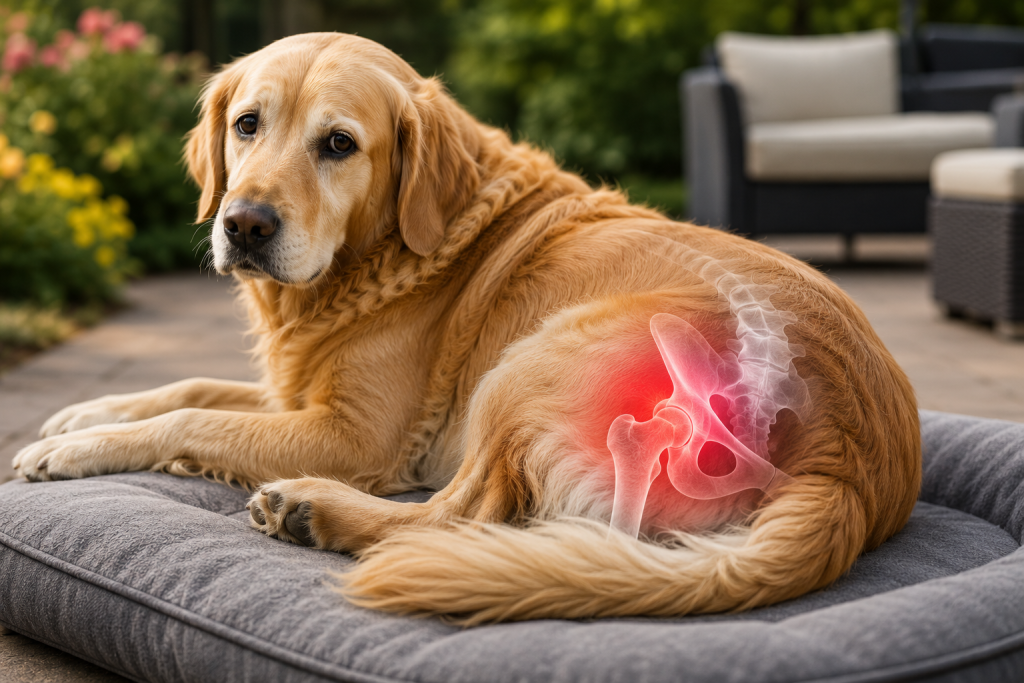
Many pet owners begin searching for hip pain in dogs after noticing their dog struggling to stand, limping after walks, or becoming less interested in daily activities. Hip pain can develop gradually or appear suddenly depending on the underlying cause. It affects dogs of all breeds and ages, although senior dogs and larger breeds are […]

Uncategorized

How to Support Joint Health in Active Dogs for Better Mobility

Dogs that enjoy running, hiking, playing, swimming, and participating in sports place significant demands on their joints every day. Proper joint care for active dogs is essential because repeated movement and physical activity can create stress on the hips, knees, elbows, and other joints over time. By understanding how to support joint health, owners can

Uncategorized

Causes of Limping in Dogs: Why Your Dog Is Favoring a Leg

Watching a dog suddenly begin to limp can be concerning for any pet owner. Understanding the causes of limping in dogs is important because limping can range from a minor injury to a serious medical condition that requires veterinary attention. Some dogs may develop a slight limp after exercise, while others may experience persistent pain

Uncategorized

Signs Your Dog Is Developing Joint Problems:

Many pet owners overlook the early signs of joint problems in dogs because these changes often develop gradually over time. A dog that becomes slightly less active, hesitates before climbing stairs, or takes longer to stand up may simply appear tired or older. However, these subtle behavioral changes can indicate underlying joint discomfort that deserves

Uncategorized

The Relationship Between Stress and Cat Health

Cats may appear independent, but their emotional state plays an important role in their overall wellness. Just like humans, cats can experience stress that affects their behavior, comfort, and daily habits. Understanding Stress in Cats Symptoms can help owners recognize changes early and take steps to create a healthier and more supportive environment for their

Uncategorized

10 Signs of Stress in Cats and How to Help Them Feel Calm

Cats are known for being independent and sometimes mysterious, which can make it difficult for pet parents to recognize when something is wrong. Understanding the signs of stress in cats can help you identify changes in your cat’s behavior early and provide the support they need. Stress can affect a cat’s mood, eating habits, grooming,

Uncategorized

How Loud Noises Impact Cat Behavior

Cats have highly sensitive hearing, which helps them detect even small sounds in their environment. While this ability is useful for survival, it also means that sudden or intense sounds can feel overwhelming. Cats Afraid of Loud Noises may show signs of fear, stress, or anxiety when exposed to things like thunderstorms, fireworks, construction sounds,

Uncategorized

Common Reasons Cats Become Anxious

Cats may appear calm and independent, but they can experience stress and anxiety for many reasons. Understanding Cat Anxiety Causes helps pet owners recognize changes in behavior and provide better support for their feline companions. Anxiety in cats can develop from environmental changes, health concerns, lack of stimulation, or situations that make them feel unsafe.

Uncategorized

10 Cat Anxiety Signs and How to Calm Them

Cats may seem independent and confident, but they are sensitive animals that can experience stress and emotional changes. Understanding the signs of anxiety in cats can help pet parents recognize when something is affecting their feline companion’s comfort and well-being. Anxiety in cats can appear through small behavioral changes, such as hiding, excessive grooming, changes

Uncategorized

10 Signs Your Dog May Have a Vitamin Deficiency

Introduction A healthy dog depends on proper nutrition to support growth, energy, immunity, digestion, and overall well-being. While many pet owners focus on feeding quality food, nutritional gaps can still occur due to age, health conditions, dietary imbalances, or poor nutrient absorption. Vitamin deficiencies in dogs can develop gradually, making them difficult to notice at

0
    0
    Your Cart
    Your cart is emptyReturn to Shop
    Scroll to Top